
Many global buyers only look at the FOB price when sourcing stainless steel. However, this number does not show your final real cost. A reliable China stainless steel supplier helps you calculate full landed cost before you place an order. Because landed cost includes material, shipping, duty, port fees and insurance. For example, two quotes with similar FOB prices can end up with very different total costs after all extra charges. Smart buyers compare full landed cost instead of only checking the unit price.
What Makes Up Stainless Steel Landed Cost
Landed cost is all money you spend to get steel to your warehouse. The table below lists every main part for easy review.
|
Cost Item
|
Simple Explanation
|
|---|---|
|
Steel material cost
|
Base price for coils, sheets or pipes
|
|
China inland trucking
|
Transport from factory to loading port
|
|
Ocean freight
|
Sea shipping cost for the container
|
|
Marine insurance
|
Protection if cargo gets damaged at sea
|
|
Import duty & tax
|
Local customs charges at your destination
|
|
Port and broker fees
|
Terminal handling and customs paperwork
|
|
Local delivery
|
Trucking from your port to your factory
|
However, many new buyers forget small fees and hit budget surprises. Because these extra charges can add 15% to 40% on top of the factory price. For example, anti-dumping duty in some markets can raise your bill quickly.
Choose the Right Incoterm with a China Stainless Steel Supplier
Incoterms decide who pays for each shipping step. Experienced teams explain FOB, CIF and DDP clearly for your team. However, no single term works best for every buyer. Because FOB lets you use your own forwarder to control freight rates, while CIF gives you simpler fixed quotes. For example, buyers with trusted freight partners often pick FOB to cut shipping cost. A China stainless steel supplier can adjust the term to match your logistics plan and lower risk.
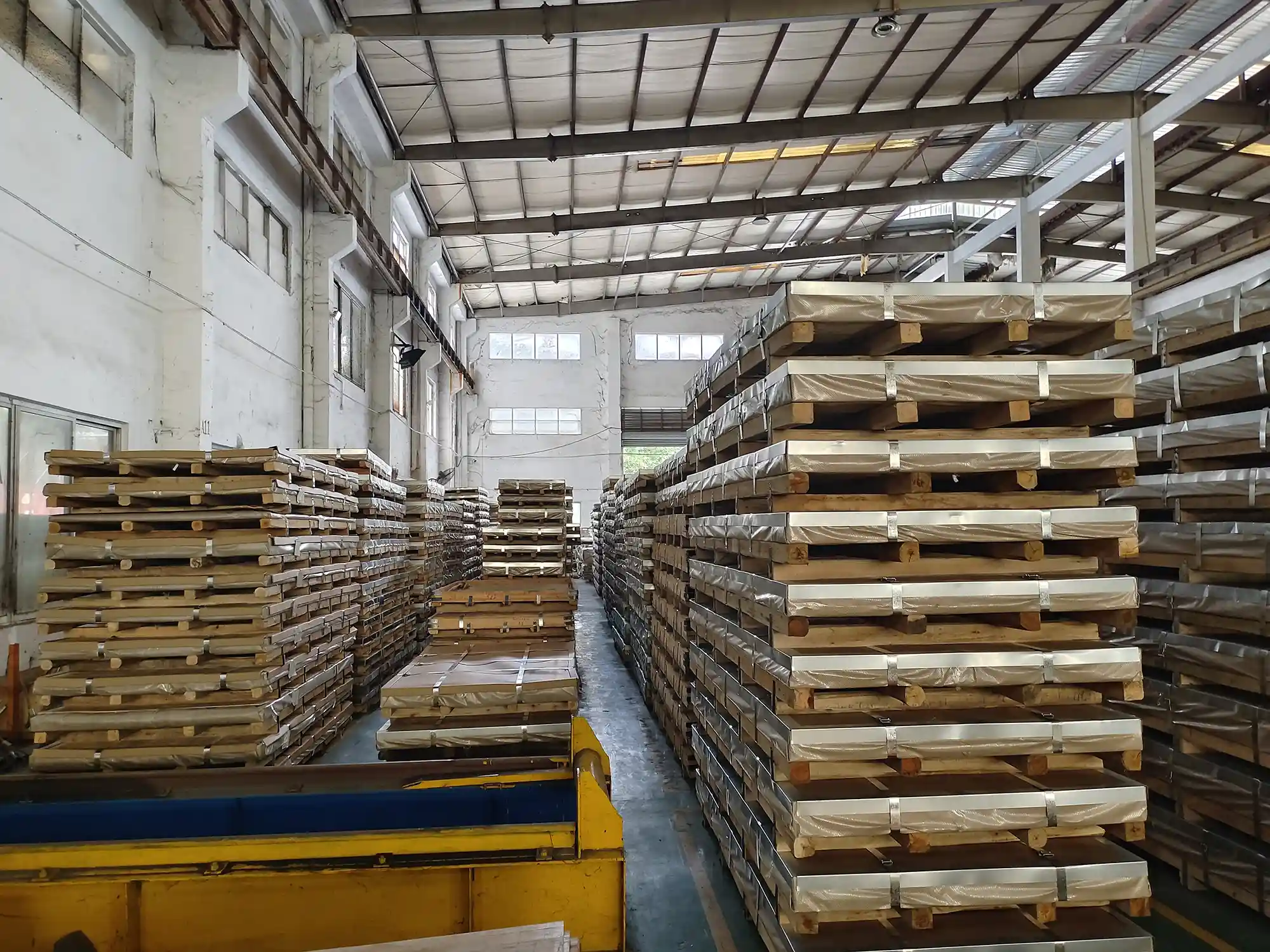
Optimize Container Load to Cut Cost Per Ton
Stainless steel is heavy, so container space directly changes your unit landed cost. You can fill the container fully with matched sizes and grades. However, overloading will cause safety and customs problems. Because shipping cost is mostly fixed for one full container, more steel per container lowers the freight share on each ton. For example, mixing sheets and pipes in one container works well if specs are confirmed early. This simple step brings steady savings for repeat orders.
Avoid Damage and Hidden Claims Cost
Poor packing creates scratches, bent edges and rejected goods. Good seaworthy packing protects your steel during long sea travel. However, cheap packing may look good at first but leads to expensive loss. Because damaged steel cannot be used, and replacement shipping adds extra time and money. For example, wooden pallets, waterproof film and edge guards are standard for export shipments. An experienced supplier checks packaging before loading to reduce these avoidable losses.
Use Correct HS Codes and Trade Documents
Wrong HS code classification will cause high duty or customs delays. Your supplier can share standard HS codes for stainless steel products. However, final duty rules depend on your local customs office. Because anti-dumping rules and tariff rates change by country and product form. For example, 304 coil and 201 pipe often use different HS codes with different tax rates. Correct documents such as mill test certificates and origin forms help you clear customs smoothly.
Long-Term Order Planning for Stable Cost
Spot buying when steel prices jump often pushes your landed cost higher. You can set a rolling order plan with fixed monthly volumes. However, long contracts need clear quality and delivery rules. Because you lock material cost and get better freight rates when shipping on a steady schedule. For example, many industrial buyers place quarterly orders to avoid sudden price spikes. This steady sourcing style works well when you work with a stable export partner.
Final Words
Lowering landed cost is not only about asking for a lower factory price. It combines smart logistics, proper packing, correct paperwork and stable order planning. However, these small details add up to big savings over one year. Because an experienced team knows steel export rules and global shipping lanes well. For example, you can send your target port and product list to get a full landed cost breakdown before you buy. The right partner helps you control total cost and keep your supply chain reliable.