How China Stainless Steel Supplier Stops Rust During Shipping and Storage

A reliable china stainless steel supplier works as a trusted manufacturer to deliver clean, rust-free stainless steel products to buyers worldwide. We source base materials from hongwang stainless steel, tisco stainless steel, tsingshan stainless steel, yongjin stainless steel and foshan stainless steel for stable raw quality. Many buyers worry about surface stains after long ocean transport or warehouse keeping. However, stainless steel is not fully rust-proof if it touches salt, moisture or dirty particles. Because sea air carries chloride, which breaks the thin protective film on steel surface. For example, unprotected steel coils can get light brown spots in just two weeks on the sea. This guide shares simple, practical ways we use to keep your stainless steel safe.

Why Rust Still Happens to Stainless Steel

Most people think stainless steel never rusts. However, its anti-rust power depends on a passive chromium oxide layer. Because this thin layer can be damaged by salt water, acid rain or iron dust from nearby carbon steel. For example, cutting tools or carbon steel pallets may leave tiny iron particles on stainless sheets. These small particles start local rust marks even on grade 304 or 316L. A professional china stainless steel supplier checks this risk before packing. We also train our team to separate stainless goods from regular carbon steel in our workshop. A careful manufacturer will mark storage zones clearly to avoid cross contamination.

Pick the Right Surface Finish

Surface finish changes how easy moisture sticks to the steel. However, smoother finishes do not always mean zero risk. Because rough surfaces hold salt and dust longer and are harder to clean. For example, BA and 8K mirror surfaces have tight, flat texture that sheds water fast. NO.1 hot rolled pickled surface has more small pits that trap dirt. We match finishes based on your destination. Goods going to coastal ports get higher smooth finish when possible. We also tell buyers which finish fits humid warehouse storage.

Standard Packing for Sea Shipment

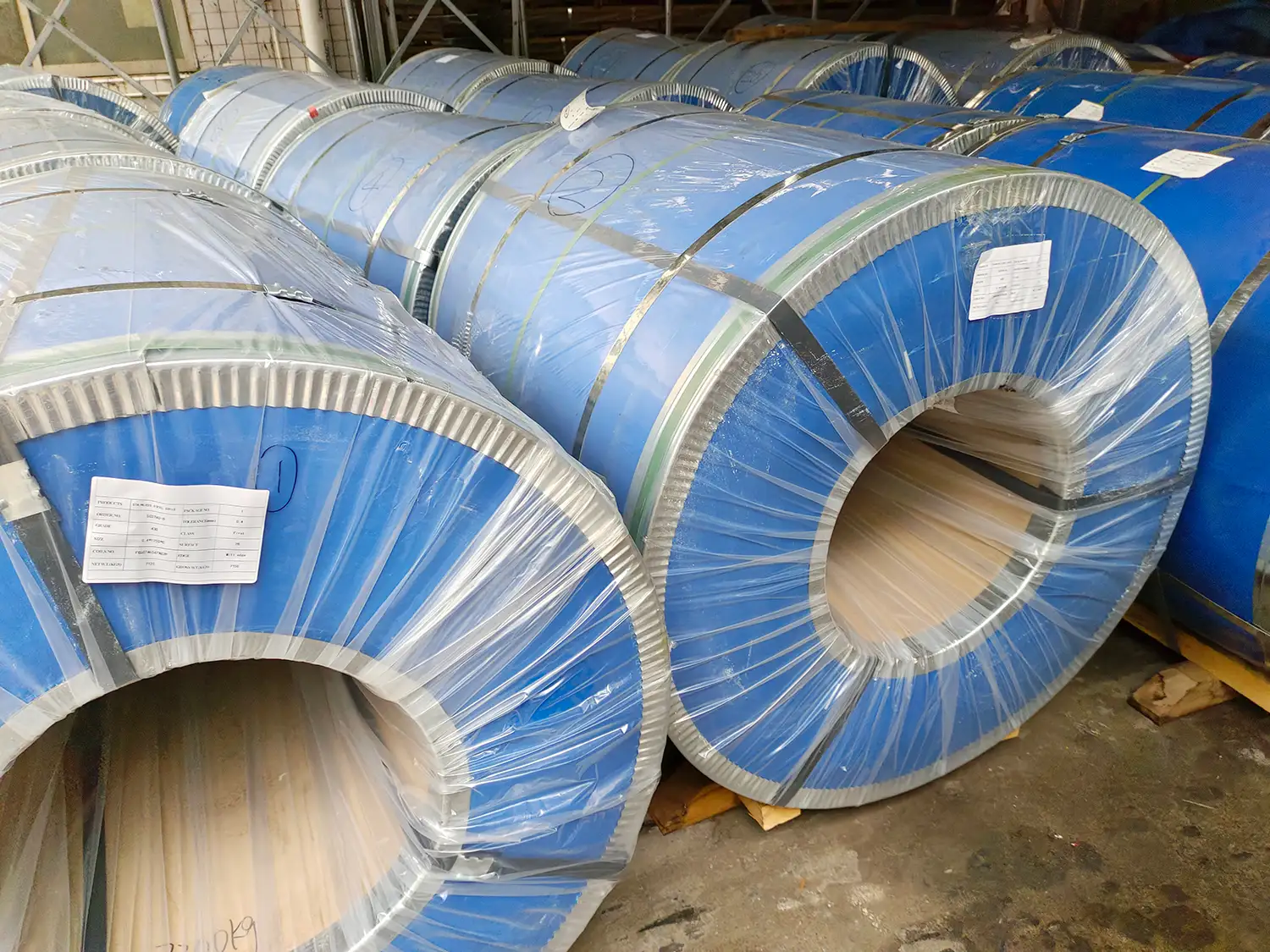
Good packing is the first line of defense for ocean freight. However, thin plastic wrap alone cannot block sea salt fully. Because salt vapor can pass through weak wrapping if seals break. For example, we use waterproof kraft paper, anti-rust VCI film and hard wood or steel pallets together. VCI film releases safe gas to form a temporary protective layer on steel. All edges of coils, pipes and plates get corner protectors. We seal every gap and add desiccant bags inside each package. Below is our common packing list.

Stainless steel coil with blue waterproof export sea packing for shipment

Control Storage Rules After Delivery

Even after goods arrive at your port, rust risk stays high. However, many buyers remove all wrapping right away. Because they want to check the surface quickly. For example, if your warehouse is open and near the sea, you should keep original packing until you process the steel. Store goods above ground, away from windows and drain pipes. Do not stack carbon steel next to stainless steel. Wipe off salt dust with fresh water if you see light spots. Dry the surface fully after cleaning.

Inspection Before Loading

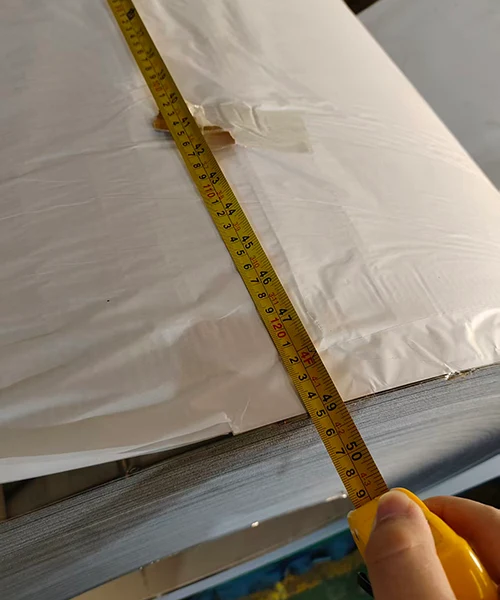
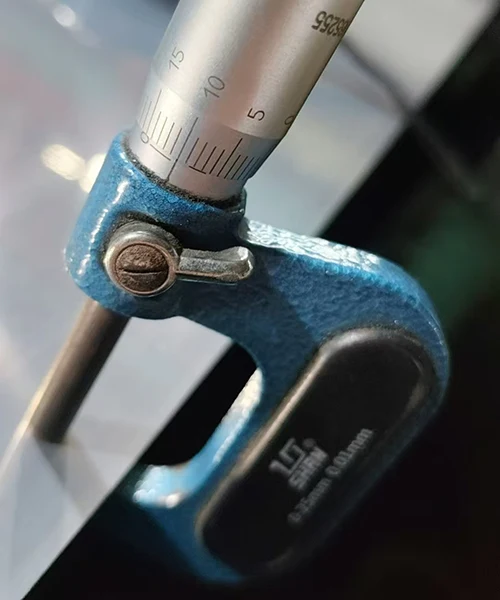
Final check before loading catches hidden risks. However, fast loading often skips small surface marks. Because workers may rush to meet vessel cut-off time. For example, we wipe every batch and check surface with bright light. If we find scratches or iron contamination, we clean and repack the piece. We confirm desiccant and VCI material are fresh before closing containers. Our china stainless steel supplier team records inspection photos for each shipment. You can ask us for these records when you place your order.

Simple Fix for Light Surface Stains

Sometimes faint rust spots still show up after transport. However, these marks do not mean the steel is bad. Because they are surface iron pollution, not deep corrosion of stainless base metal. For example, you can use mild stainless steel cleaner and soft non-scratch cloth to wipe spots. Rinse fully with clean fresh water and dry immediately. Never use hard sandpaper or strong acid cleaner, as these damage the passive film. If stains are heavy, contact your supplier for professional treatment advice.

With correct raw material selection, proper packing and storage rules, you can keep stainless steel clean for months. Talk with our team if you need special anti-rust plans for your market. We follow these steps for every container we send out.

Leave a Reply