
Choosing a reliable china stainless steel supplier is important for every international buyer. Product quality must match the required standards, especially when buying stainless steel sheets, coils, pipes, and tubes. However, checking the supplier's own documents is not always enough because buyers need reliable proof of material quality. For example, a third-party MTC verification can help confirm whether the steel matches the order requirements. This process gives buyers more confidence before accepting the goods.
What Is an MTC?
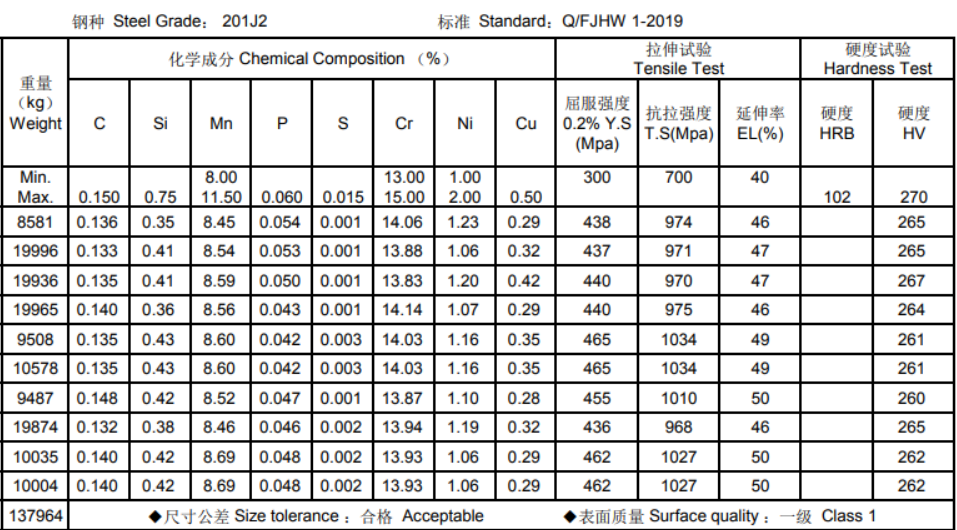
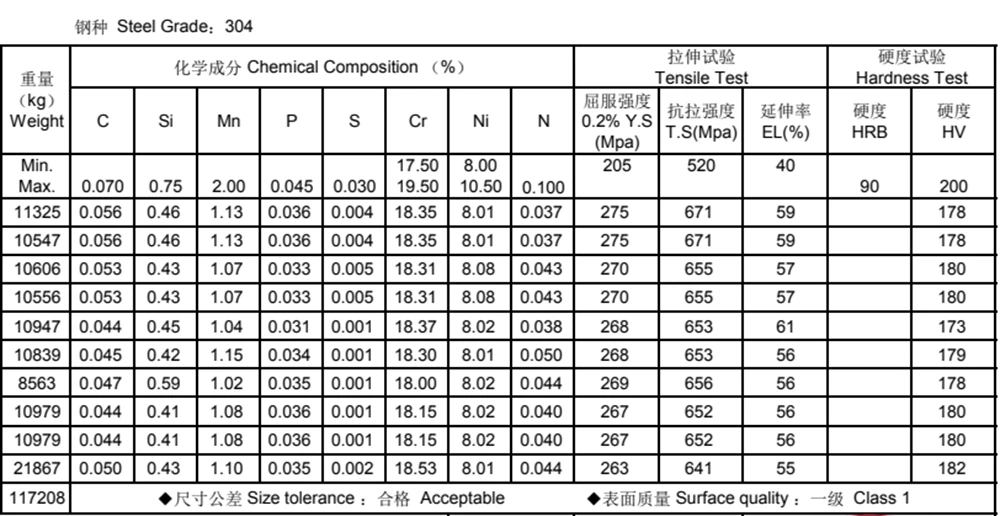
MTC stands for Mill Test Certificate. It is an official document that provides information about the quality and properties of stainless steel. However, buyers should not only look at the certificate number because the details inside the document are more important. For example, an MTC normally shows the steel grade, chemical composition, mechanical properties, heat number, and testing results.
An MTC helps buyers check whether the material meets the required standards, such as ASTM, EN, or JIS. Because different stainless steel grades have different properties, checking the correct grade is very important. For example, 304 stainless steel has different chemical requirements from 316L stainless steel. A trusted china stainless steel supplier should provide clear and complete MTC documents for every relevant batch.
Why Third-Party MTC Verification Matters
A certificate from a steel mill is important, but buyers may want an independent check before shipment. However, some documents may contain mistakes or information that does not match the actual goods because certificates can be mixed up during production or storage. For example, an MTC may show the correct grade, but the material delivered could belong to another production batch.
Third-party verification helps reduce these risks. An independent inspection company can review the documents and check the physical materials. Because the inspector works separately from the supplier, buyers can receive a more objective report. For example, companies such as SGS, Bureau Veritas, and TÜV can provide inspection and testing services.
For international buyers, this process is especially useful when placing large orders or purchasing materials for important projects. However, third-party inspection does not replace proper supplier management because buyers should still check the supplier’s production ability and quality control system.
How a China Stainless Steel Supplier Checks MTC Documents
he first step is to collect the original MTC from the steel mill or production source. However, simply receiving a PDF file is not enough because every important detail must match the purchase order. For example, inspectors will normally check the following information:
|
MTC Information
|
What Inspectors Check
|
|---|---|
|
Steel grade
|
Whether it matches the order, such as 201, 304, 316L, 410, or 430
|
|
Chemical composition
|
Whether the chemical elements meet the required standard
|
|
Mechanical properties
|
Whether tensile strength and yield strength meet the requirements
|
|
Heat number
|
Whether the number matches the actual material
|
|
Product dimensions
|
Whether thickness, width, and length are correct
|
|
Testing results
|
Whether the recorded results meet the required specifications
|
|
Mill information
|
Whether the certificate identifies the correct production source
|
After checking these details, the inspector compares the MTC with the purchase order and product specifications. However, even a complete certificate can have problems because incorrect heat numbers or product details may appear in the document. For example, if the MTC shows heat number A123 but the product label shows B456, further checking is necessary.
Physical Testing and Material Verification
Document checking is only one part of the process. A professional third-party inspector may also check the actual stainless steel products. However, the inspection method depends on the product type and buyer’s requirements because different tests are used for different purposes.
For example, inspectors may use a handheld X-ray fluorescence (XRF) analyzer to check the chemical elements of stainless steel. This test can help identify many common grades, but it cannot accurately measure every element, especially carbon. Therefore, more advanced laboratory testing may be needed when a complete chemical analysis is required.
Other inspection methods may include:
PMI testing to identify material composition.
Tensile testing to check strength and performance.
Hardness testing to measure material hardness.
Thickness measurement to confirm product dimensions.
Surface inspection to find scratches, cracks, or other defects.
A reliable china stainless steel supplier should support reasonable inspection requests. Because testing results provide useful evidence, buyers can make better decisions before shipment. For example, an inspector can select samples from different bundles or coils to check whether the materials are consistent.
How to Match MTC with Actual Products
Matching the MTC with the actual goods is one of the most important steps. However, checking only the steel grade is not enough because different production batches may have different heat numbers. For example, one shipment may contain several coils from different production batches, and each batch should have the correct certificate information.
Inspectors usually follow these steps:
Check the labels on the stainless steel products.
Record the heat numbers and batch numbers.
Compare these numbers with the MTC.
Check the product grade and dimensions.
Confirm that the inspection results match the order requirements.
This process helps prevent certificate mixing and incorrect material delivery. Because traceability is important in international trade, every batch should have clear identification. For example, when a buyer orders 304 stainless steel coils, the labels and certificates should provide matching information for the supplied products.
What Buyers Should Ask Before Shipment
Before placing an order, buyers should discuss MTC verification with their supplier. However, they should not wait until the goods are ready to ship because inspection arrangements may take time. For example, buyers can include inspection requirements in the purchase contract.
Here are some useful questions to ask:
Can you provide an original mill test certificate?
Can the MTC be traced to the actual production batch?
Can you arrange third-party inspection before shipment?
Can the inspector check the chemical composition?
Can you provide inspection photos and test reports?
Can you confirm that the products meet ASTM or EN standards?
An experienced china stainless steel supplier should understand these requirements and provide clear answers. Because good communication helps avoid misunderstandings, buyers should confirm the inspection scope before production or shipment.
Choosing a Reliable Supplier
A good supplier should do more than provide low prices and product catalogs. However, buyers should also pay attention to quality control because poor material traceability can create problems during production and final use. For example, incorrect stainless steel grades may affect product strength, corrosion resistance, and service life.
When choosing a supplier, buyers should consider its product range, production experience, quality inspection process, and ability to support third-party testing. A supplier that can provide complete MTC documents and cooperate with independent inspectors is a better choice for long-term business.
Conclusion
Third-party MTC verification is an effective way to reduce material quality risks in international stainless steel trade. However, buyers should understand that document checking and physical testing work together because neither process alone can cover every possible problem. For example, checking heat numbers, chemical composition, and mechanical properties can provide stronger evidence of product quality.
A professional china stainless steel supplier should support transparent documentation, clear product identification, and independent inspection. By following these steps, buyers can reduce purchasing risks and build more stable business relationships with their suppliers.