
Stainless Steel Cold Rolled Coil Grades: 201 vs 304 vs 316 Full Introduction

Cold rolled stainless steel coils deliver smooth surfaces, precise dimensions and uniform thickness for processing, decoration and industrial manufacturing.
SS201, SS304 and SS316 are the most widely used grades. They differ greatly in corrosion resistance, strength and cost. Proper grade selection guarantees stable quality and controlled costs.
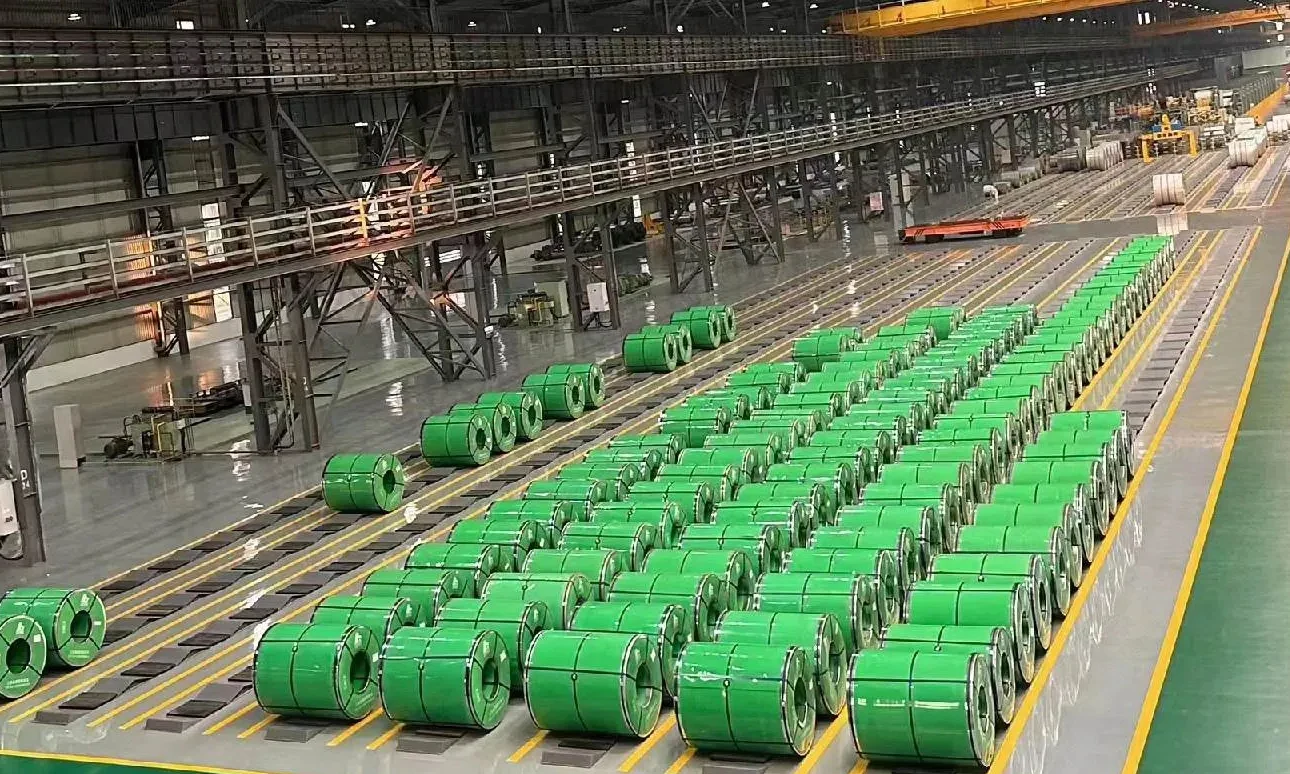
1.What Is Cold Rolled Stainless Steel Coil?

Cold rolled coils are processed from hot rolled steel at room temperature. No high-temperature oxidation occurs, delivering smooth, clean surfaces in finishes like 2B, BA, No.4 and HL.
 
Flat, thin and flexible, these coils support bending, stamping, welding and polishing, ideal for home appliances, construction, food and chemical industries.

2. SS201: Budget Basic Grade

2.1 Composition

SS201 adopts high manganese and low nickel to cut costs, with 16–18% chromium and 3.5–5.5% nickel. This formula limits its corrosion resistance.
 

2.2 Performance

It features high hardness and good stamping performance but has an unstable structure with poor rust and chemical resistance.
It only works in dry indoor environments and rusts quickly in humid, coastal or industrial conditions.
 

2.3 Pros & Cons

Pros
  • Lowest cost among mainstream grades
  • High hardness and wear resistance
  • Easy processing and polishing
  • Smooth, flat surface finish
Cons
  • Weak anti-rust performance
  • Unstable welding performance
  • Short service life, not for outdoor use

2.4 Applications

Ideal for low-budget indoor projects:
  • Indoor wall, ceiling and handrail decoration
  • Basic furniture and ordinary kitchen hardware
  • Indoor electrical and structural parts

3.SS304: All-Purpose Standard Grade

3.1 Composition

SS304 is classic 18-8 stainless steel (18% chromium + 8% nickel) with balanced, stable alloys for universal application.
 

3.2 Performance

It has balanced strength and toughness, with crack-resistant welding and forming. It resists daily oxidation, water and weak acid erosion.
Its main limitation is poor salt resistance, prone to spot rust in long-term coastal and saltwater environments.
 

3.3 Pros & Cons

Pros
  • Balanced mechanical and processing performance
  • Reliable indoor and outdoor rust resistance
  • Excellent welding and forming capability
  • Food-safe and easily accessible
Cons
  • Higher cost than SS201
  • Unable to withstand heavy salt corrosion

3.4 Applications

Suitable for most civil and industrial scenarios:
  • Food processing equipment, kitchenware and water tanks
  • Building decoration, railings and municipal facilities
  • Home appliances and general industrial casings

4.SS316: High-Grade Anti-Corrosion Grade

4.1 Composition

SS316 is an upgraded version of SS304, containing 18% chromium, 10–14% nickel and 2–3% molybdenum for enhanced chemical corrosion resistance.
 

4.2 Performance

It retains all SS304 advantages and delivers superior salt spray, seawater and acid resistance, maintaining stability under high temperature and high pressure.
 

4.3 Pros & Cons

Pros
  • Top-tier corrosion resistance for harsh environments
  • Stable performance under extreme heat and humidity
  • Durable welding and long service lifespan
  • Meets medical and high-grade food safety standards
Cons
  • Highest cost among the three grades
  • Overqualified for conventional daily use

4.4 Applications

Built for harsh, high-standard scenarios:
  • Coastal and marine engineering equipment
  • Chemical pipelines and reaction devices
  • Medical equipment and precision instruments
  • Sewage treatment and environmental protection equipment

5. Quick Selection Guide

SS201: Tight budget, dry indoor use, no strict anti-rust requirements.
SS304: Balanced cost and performance, food contact, regular indoor/outdoor use (most projects).
SS316: Coastal, marine, chemical, medical and high-durability scenarios.

6. Summary

SS201 is a low-cost indoor-only grade. SS304 is the cost-effective, all-round option for most scenarios. SS316 is a premium grade for harsh corrosive environments. Always match the steel grade to your usage environment and budget.

Leave a Reply